


The Concept Design Process has always emphasised a creative process at MAP Architects. Armed with the client requirements for vision and design, the architects at MAP combine their expertise and experience into an Architectural Concept Design that breathes life into the client vision. For instance, the concept design for a recently completed contemporary mixed-use hospitality project followed a step-wise holistic approach aligned with the concept design process in architecture, blending functionality and organic aesthetics rooted in Sustainable Architecture Design.
1. Project Brief
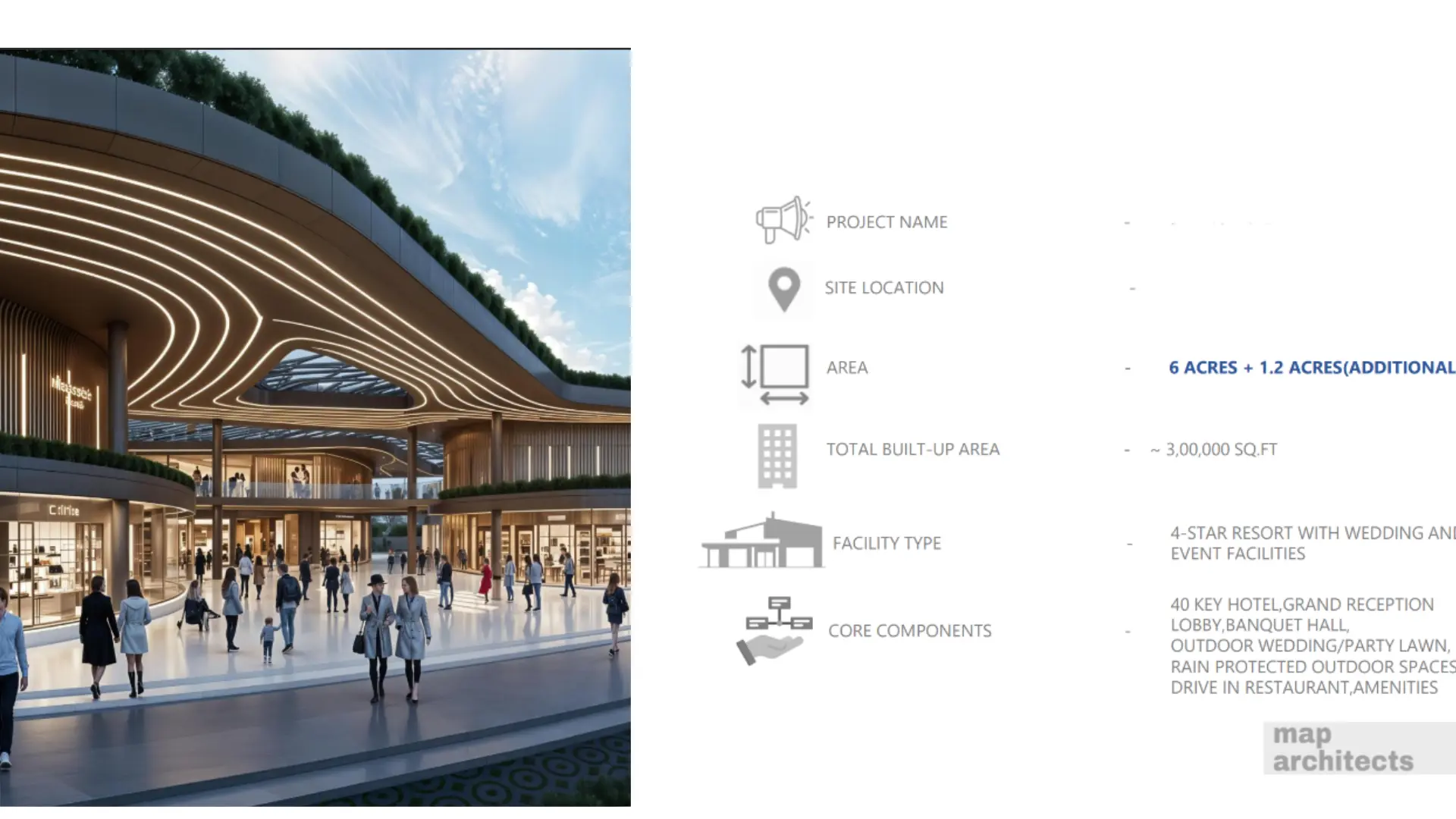
The Project Brief focussed on collating client requirements that included a luxury destination for commercial viability and environmental stewardship, reflecting principles of Luxury Hospitality Architecture. The brief prioritized a cohesive guest journey from arrival to departure, forming a strong foundation within the Concept Design Process.
2. Location Review
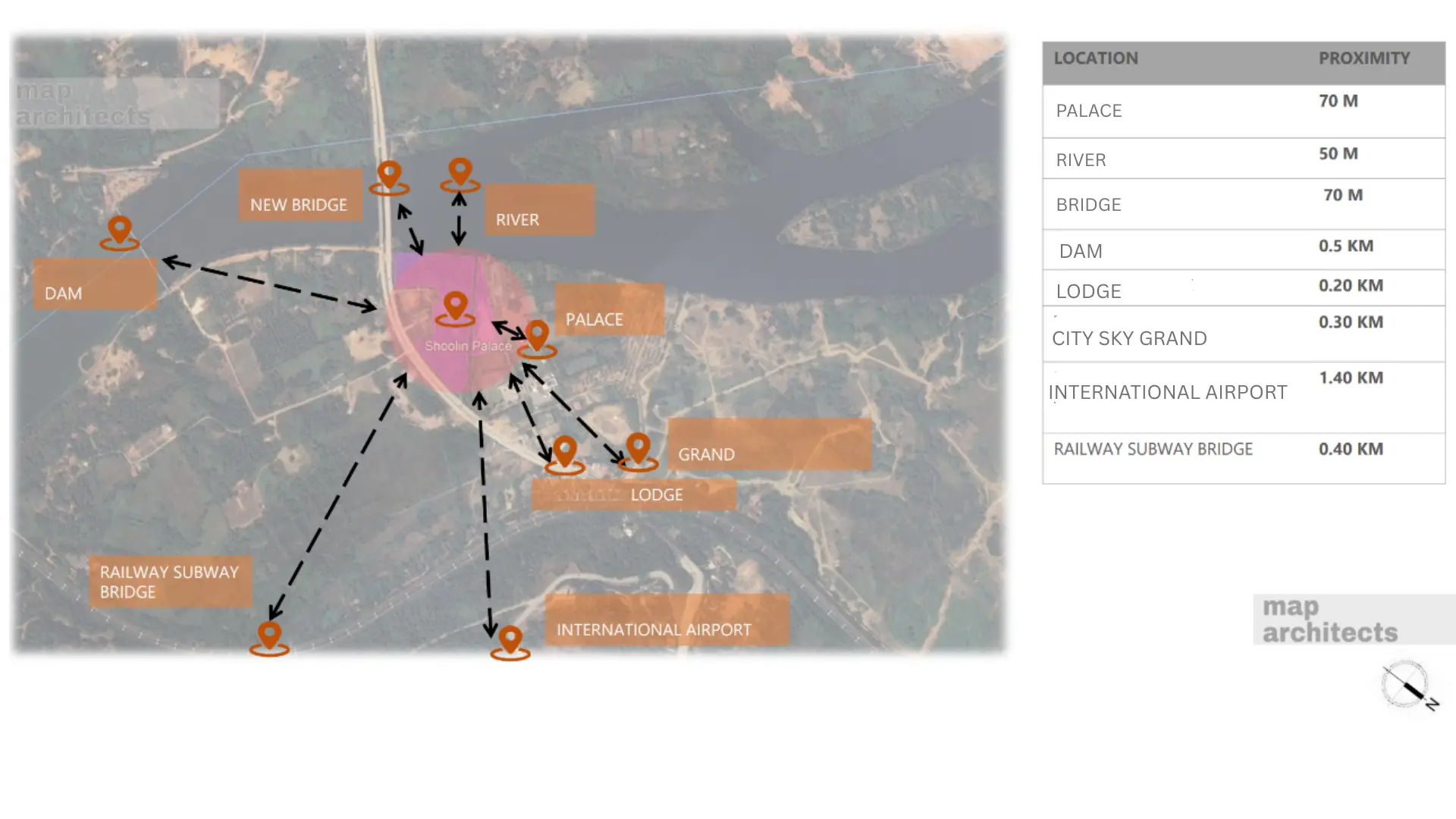 The location review provided a strategic context to client requirement and formed a critical stage in the architectural site analysis for hotels. For instance, the project location was strategically positioned, the site featured a robust road network with immediate access to nearest transport hubs. Its proximity to the railway station and prominent landmarks ensured high visibility and ease of commute for international and local guests, strengthening the overall Hospitality Architecture Design strategy.
3. Preliminary Assessment
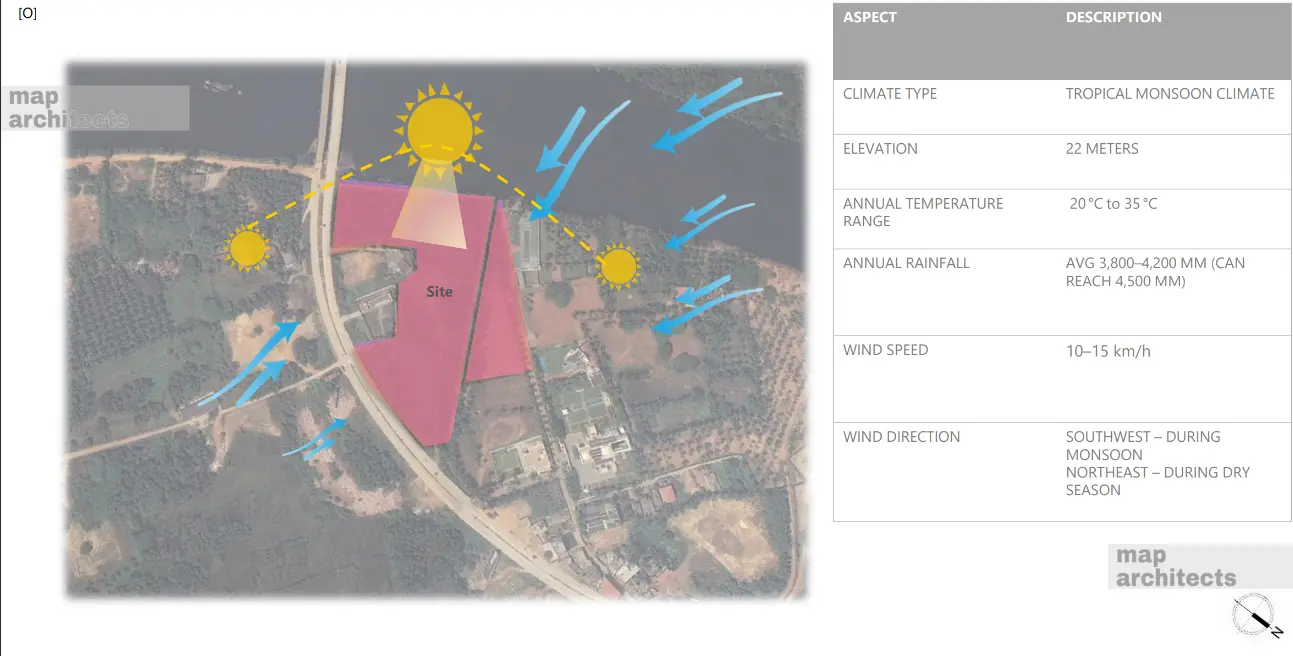
MAP Architects’ site review identified primary and secondary views to maximize aesthetic value as part of the architectural site analysis for hotels. Technical factors included observation and review of road widths, elevation, and climate data—specifically temperature fluctuations, rainfall patterns, and wind speed/direction—that dictated the building’s orientation for natural ventilation, reinforcing principles of climate responsive hospitality architecture and Sustainable Architecture Design.
4. User Profile
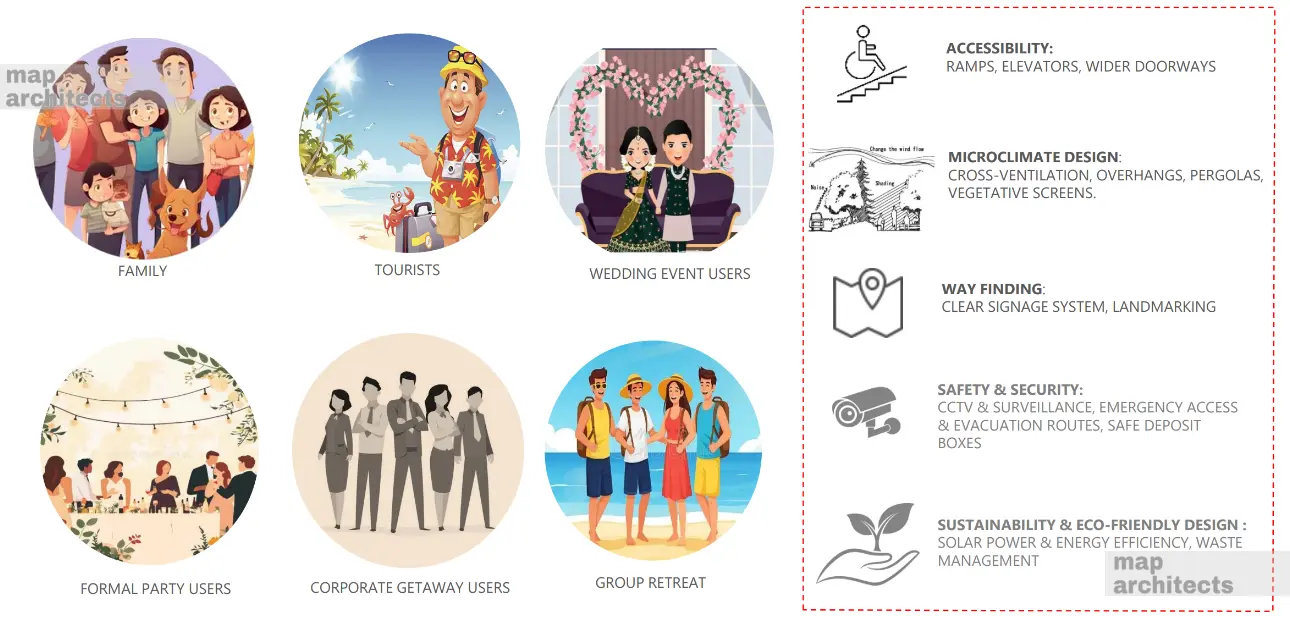
Designing for the human experience, MAP Architects emphasized accessibility and wayfinding as part of their Concept Design Process. A microclimate design enhanced comfort, while integrated safety and security systems provided peace of mind. This ensured that every touchpoint reflected a commitment to sustainability and eco-friendly design aligned with Sustainable Architecture Design in Luxury Hospitality Architecture.
5. Design Theme
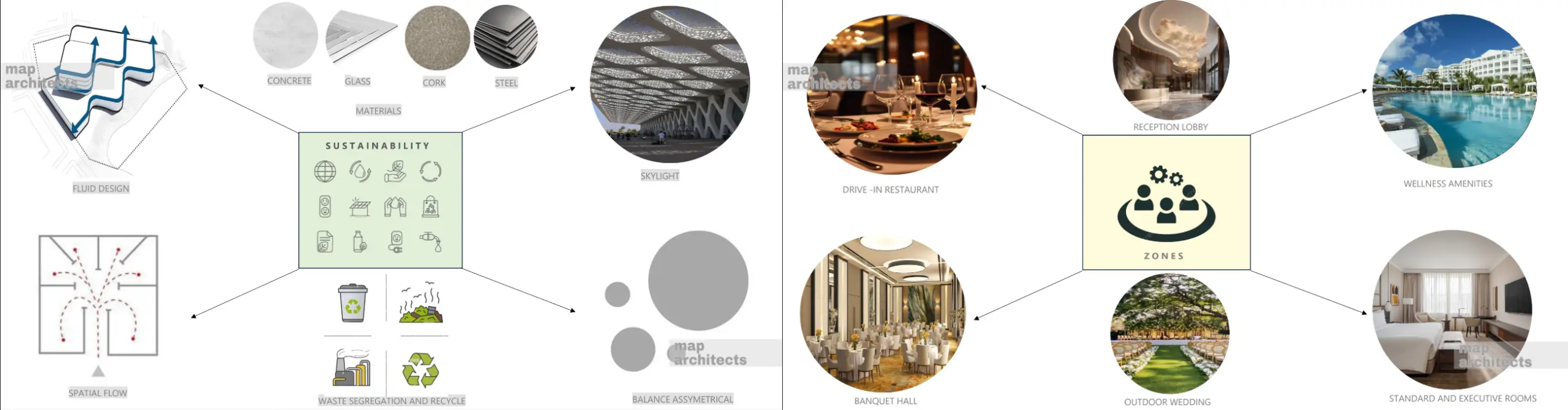
The concept centered on fluid design and spatial flow, utilizing an asymmetrical balance within the broader Architectural Concept Design framework. Key zones included a drive-in restaurant, reception lobby, and wellness amenities. Functional spaces transitioned from a banquet hall and outdoor wedding lawn to standard and executive rooms, supported by active waste segregation and recycling, structured through effective architectural zoning for hospitality projects.
6. Case Studies
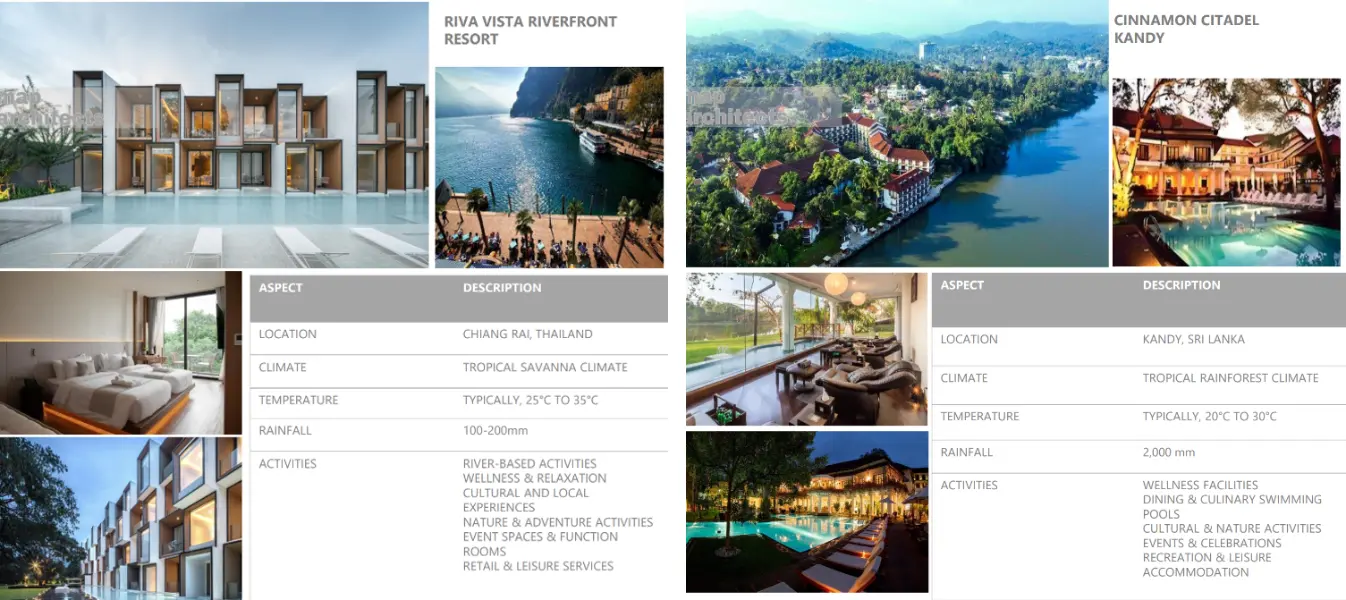
MAP Architects compared existing projects to provide a design context to the proposed concept design, strengthening the concept design process in architecture. This included a descriptive comparison of locations, materials used, and number of storeys, and the optimization ratio of visitors to service areas, to understand operational efficiency based on proven global models in Hospitality Architecture Design.
7. Design Options
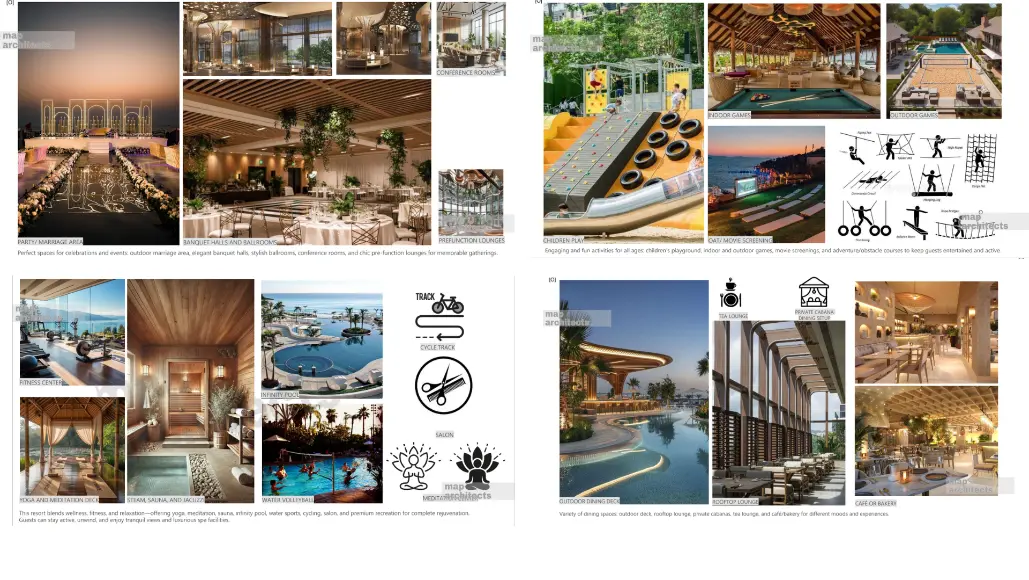
8. Zoning, SketchUp, & 3D Views
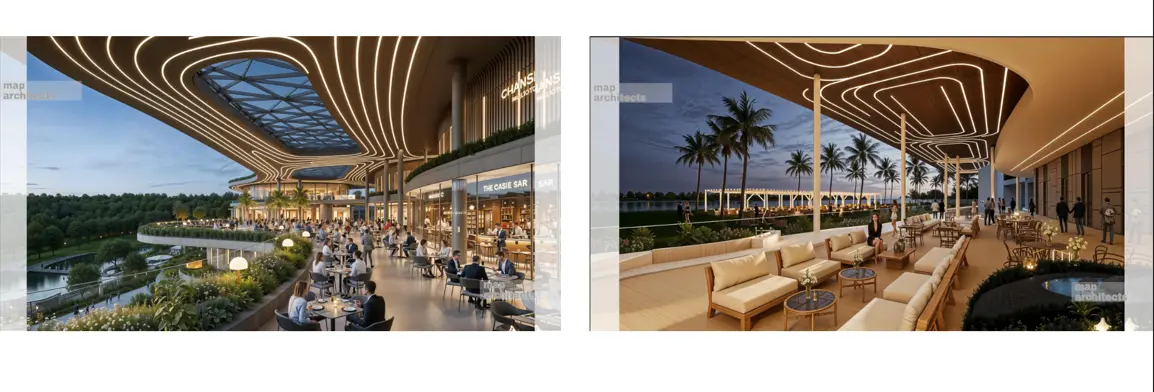
Through SketchUp modelling, MAP architects visualize the design ideologies, completing the journey of architecture design from concept to visualization. Distinct 3D views illustrate the transition between ambience, accommodation, dining, wellness, games, celebration, and retail areas, creating a vibrant, multi-layered environment structured through thoughtful architectural zoning for hospitality projects and refined Hospitality Architecture Design.