


Iconic architecture today is shaped by form and powered by technology, sustainability, and intelligent design thinking. When architecture becomes a medium for innovation and brand expression, buildings evolve into powerful symbols of progress, performance, and purpose.
Architecture for Brand Communications
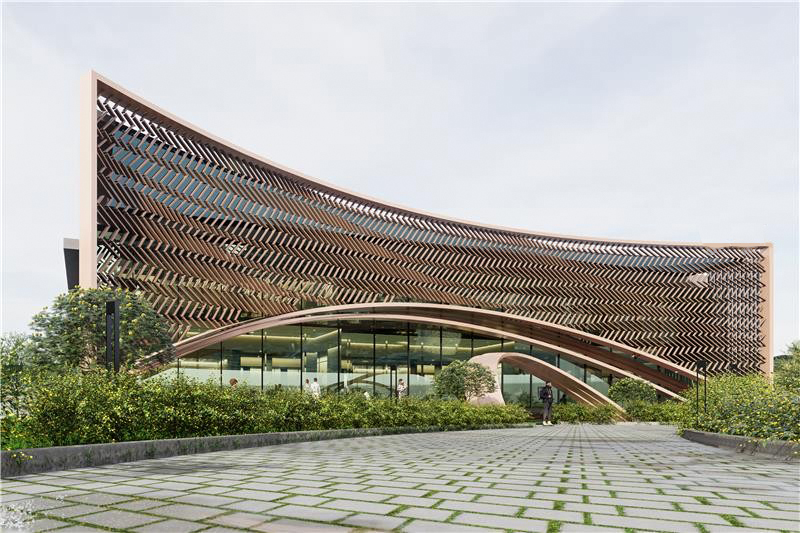
The Godrej Sales Pavilion in Mumbai was conceived by MAP Architects as a flagship sustainability statement a building embodying the brand’s ethos of environmental stewardship and future-ready design.
Parametric Architecture design in practice
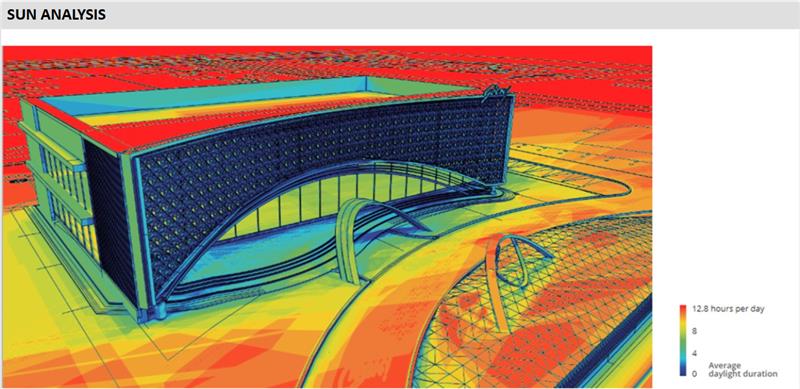
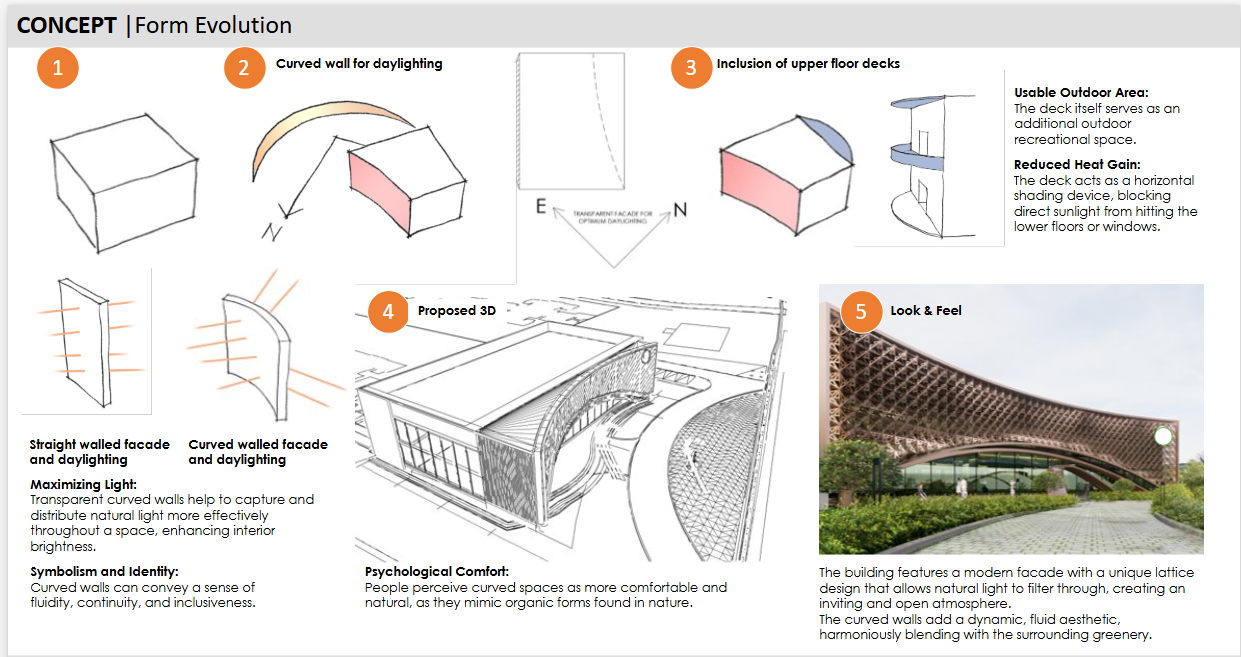
Integrating the sun path data and wind travel vectors into an algorithmic software for architectural output, MAP Architects sculpted the building’s massing to channel cooling breeze, reduce structural strain and pedestrian discomfort. The results were nothing less than stunning. Curved fluid aesthetic walls harmonically blended with surrounding greenery, mimicking natural organic forms. The outdoor deck area served as a horizontal shading device, blocking direct sunlight from hitting the lower floors or windows.
Optimising building efficiency with smart Architecture
The glazed envelope was recessed behind the metal screen, ensuring that the screen acts as the first line of solar protection. High-performance double-glazed units (DGU) with low-E coatings minimized heat ingress while maximizing daylight, reducing the building’s overall energy consumption. North-lighted workstations and conference rooms on the first floor helped to reduce artificial lighting demand throughout the day. More importantly, this pavilion stood as an architectural brand statement a demonstration of the commitment to responsible development.
Sustainable Architecture, AI and ML for Urban Solutions
The fusion of sustainability and human needs is being increasingly leveraged for city redevelopment. For instance, the Bangalore Development Agency (BDA), in its redevelopment drive has planned to replace old, underutilized buildings with sustainable architecture. The re-design includes modern multi-storey hubs featuring retail, offices, community spaces, and better amenities. Globally as well, this trend city is supported by technology. For instance, at the ZIGURAT Summit 2025, Barcelona showcased AI innovation into real urban solutions, from automated decision-making and digital-twin construction to generative design for optimized building ideas, proving that the future of architecture is intelligent, efficient, sustainable, and deeply human.
Sustainable Architecture and use of Technology at MAP Architecture
Through its techno-modern architecture outlook, MAP architectural designs continue to inspire sustainability practices relevant to the local needs in principle with global standards. Our design endeavour, while adapting the concept of Net Zero Development, serve to minimize total energy use through conservation, efficiency, and renewable energy sources.
As we wrap up this exploration, here’s a quick overview to help you dive deeper into what MAP offer
Discover MAP:
At MAP, we are committed to follow, promote and implement sustainability practices relevant to the local needs in principle with global standards. We are committed to do our business and satisfy our clients’ needs in the most sustainable manner. Our endeavor is to adapt the concept of Net Zero Development within our designs by minimizing total energy use, first through conservation and efficiency and then by using renewable energy to power the infrastructure. We design buildings to be constructed using sustainable materials, materials that can be used without any adverse effect on the environment, and which are produced locally, reducing the need to travel. The designs evaluate all environmental, social and economic negative impacts and benefits in decision-making processes towards more sustainable products throughout their life cycle.
Discover More:
Reference:
published October 26, 2025, viewed on December 15, 2025
published 6 months ago, viewed on December 15, 2025