Stage 1 – Architectural Visualisation & Commercial Style Exploration
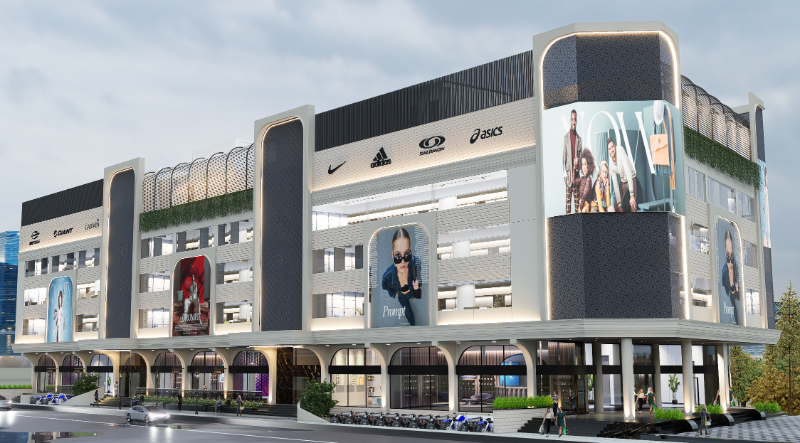
Image 1a – Neo Classical Concept Presentation
The process began with a deep dive into the client’s core requirement: a commercial building renovation explicitly designed to maximize property value ROI and market appeal. To bridge the gap between abstract ideas and physical form, we presented a comprehensive architectural Mood Board featuring two distinct design directions: Neoclassical and Modern.
By utilizing architectural visualization early in the exploration phase, the client was able to confidently pivot toward a more current aesthetic, eventually shortlisting two variations for further study.
Stage 2 – Development of Concept & 3D Architectural Rendering
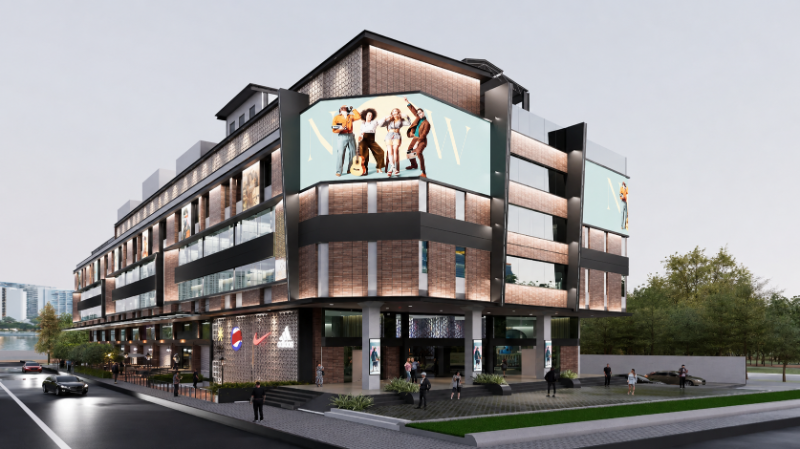
Image 1b/2a – Modern – Contemporary [Sustainable]
With the design directions narrowed down, we transitioned into 3D architectural modelling and spatial planning. This critical stage allowed the client to review the precise scale, volume, and depth of the project in a digital environment.
After reviewing the options, the Contemporary commercial architecture style was officially selected. To ground this choice in the modern 21st century standards, we proposed a palette of sustainable and modern materials, ensuring the final design would be both visually striking and environmentally responsible.
Stage 3 – Modern Facade Design & Material Refinement
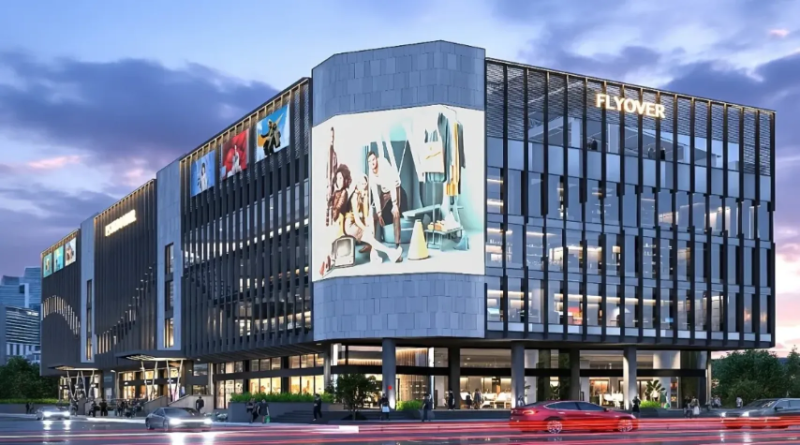
Image 2b/3a – Contemporary [Modern Material] – Finalized Style
Once the contemporary direction was finalized, the design was tailored to the specific parameters & zoning requirements of the existing site. To elevate the building beyond a standard modern “box,” we focused heavily on modern facade design elements—specifically integrating architectural vertical fins.
These fins do more than provide structural support for the energy-efficient glass facade system; they form an irregular, rhythmic pattern that disrupts visual monotony. This element successfully established a unique, sophisticated visual identity for the final 3D design.
Stage 4 – Structural Constraint Integration & Commercial Branding
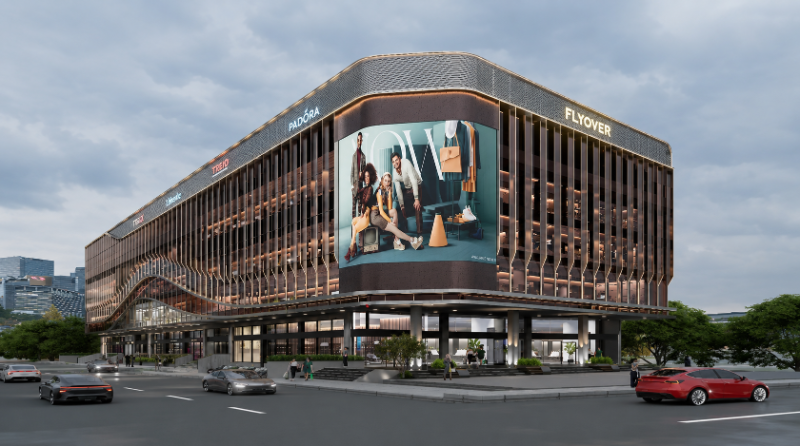
Image 3b – Final 3D architectural design
The final evolution addressed real-world logistics and urban construction guidelines. Upon identifying specific site constraints regarding demolition, the design underwent a strategic, adaptive redevelopment.
This final iteration shifted the focus toward commercial branding and architectural grandeur. The resulting structure delivers a seamless blend of the client’s commercial identity and a bold, grand aesthetic that ensured the renovated building stands as an undeniable landmark in its urban space.
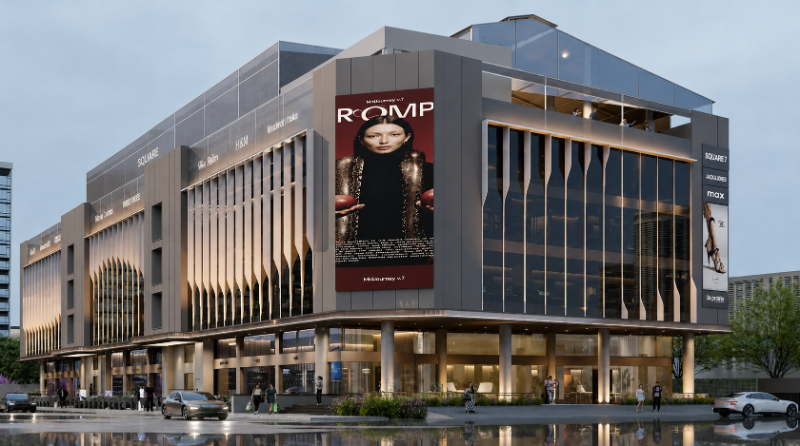
Image 4a – Final Design with Branding & Grandeur